Ceres
Overview
CERES is a sustainability-focused building management platform that promotes energy efficiency and responsible use through the use of technology, education, and accessible data points.
As energy efficiency becomes increasingly important, individuals are looking for ways to adopt more environmentally conscious behaviours, but often lack the tools, clarity, or motivation to do so consistently.
Focus
This project focuses on designing for technology innovation and real-world impact, translating complex building management concepts into accessible, actionable user experiences.
Problem
While the use of technology to tackle sustainability challenges is increasing, the availability of practical, purpose-built software solutions remains largely generic and limited.
Users often:
Feel overwhelmed by fragmented or complex data
Lack clarity on what actions to take next
Struggle with software that prioritise data display over usability
Additionally, many SaaS and dashboard platforms fall short because they:
Present metrics without a clear context or recommended actions
Lack structured workflows to guide users from insight to action
Do not create feedback loops that reinforce progress
Offer limited personalisation based on user goals or behaviour
Problem Statement
Users need a clear and intuitive way to interpret management data and take meaningful action, but current dashboard experiences feel overly generic, complex, passive, and not decision-making intended.
category
SaaS | Data Visualisation | Conceptual | Dark mode
tools
Figma, Illustrator, Adobe XD, After Effects
Users
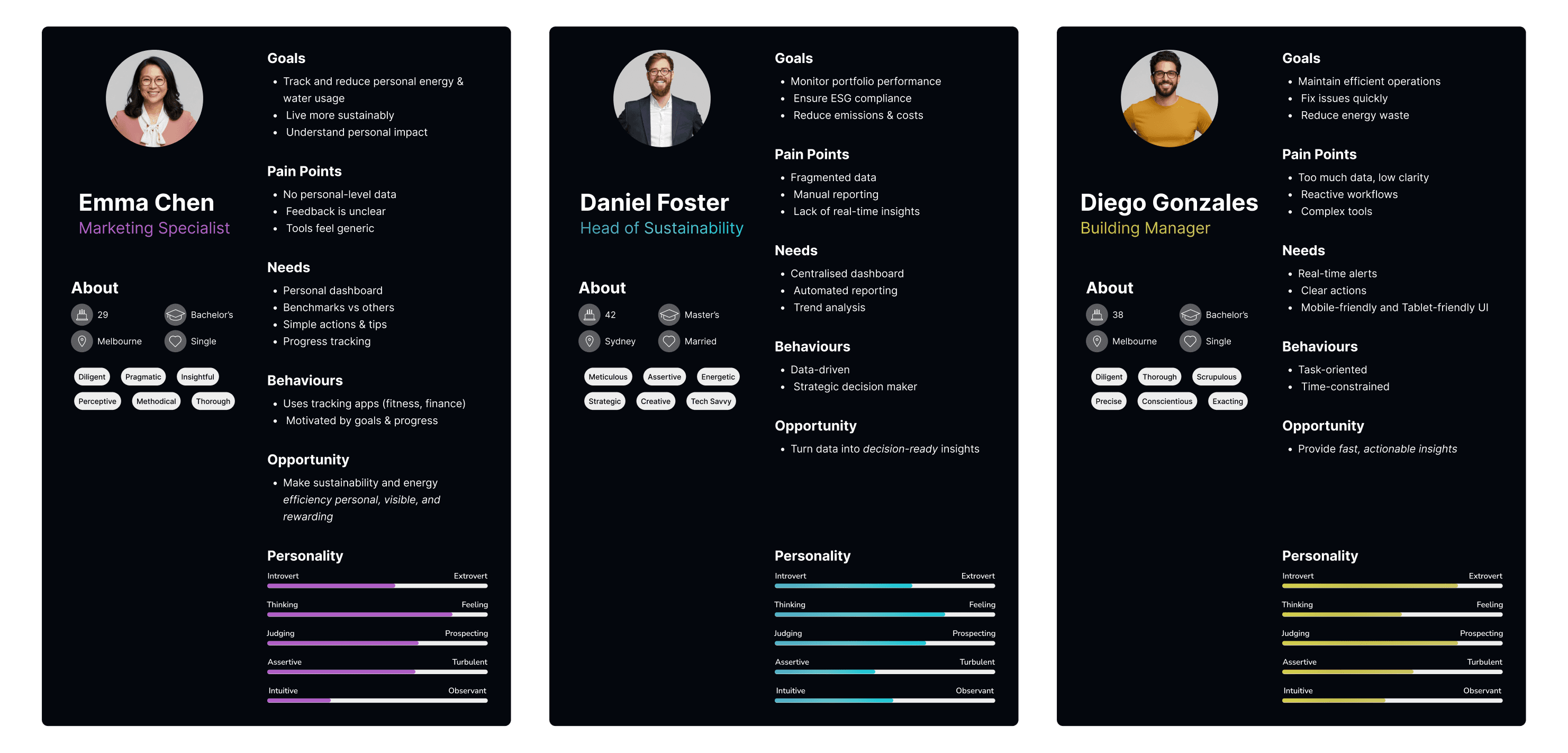
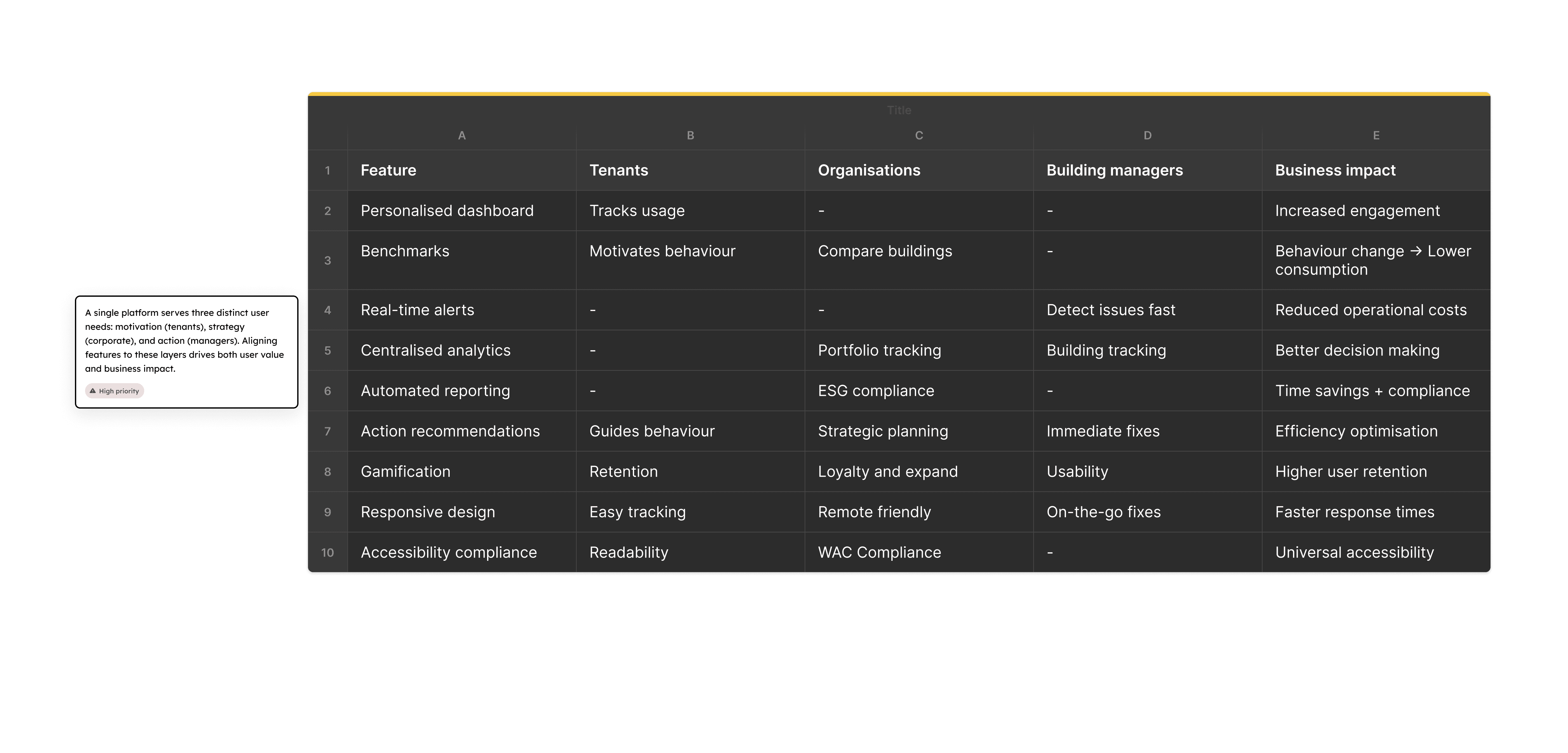
Primary users include:
Tenants tracking personal building sustainability goals
Agencies and organisations monitoring environmental impact metrics
Building managers who need quick, actionable insights
Their common need is not just access to data, but the ability to understand, prioritise, and act on it efficiently.
Design Direction
The platform was designed as a building management dashboard, not just a data display.
Core Principle
Turn data → into insights → into action
Key Design Decisions
1. Prioritise actionable insights over raw data
Surface key metrics with clear context and meaning.
Trade-off: Reducing visible data in favour of clarity and usability.
2. Structure the dashboard around user goals
Instead of generic data blocks, organise information based on:
What users are trying to achieve
What decisions they need to make
3. Introduce clear action pathways
Each insight connects to a next step or recommendation.
Why: Dashboards should not stop at “understanding”, they should enable action.
4. Use progressive disclosure for complexity
High-level overview first
Drill-down for detailed analysis
Trade-off: Balancing simplicity for new users with depth for advanced users.
5. Create feedback loops
Allow users to track progress over time and understand the impact of their actions.
Key Features
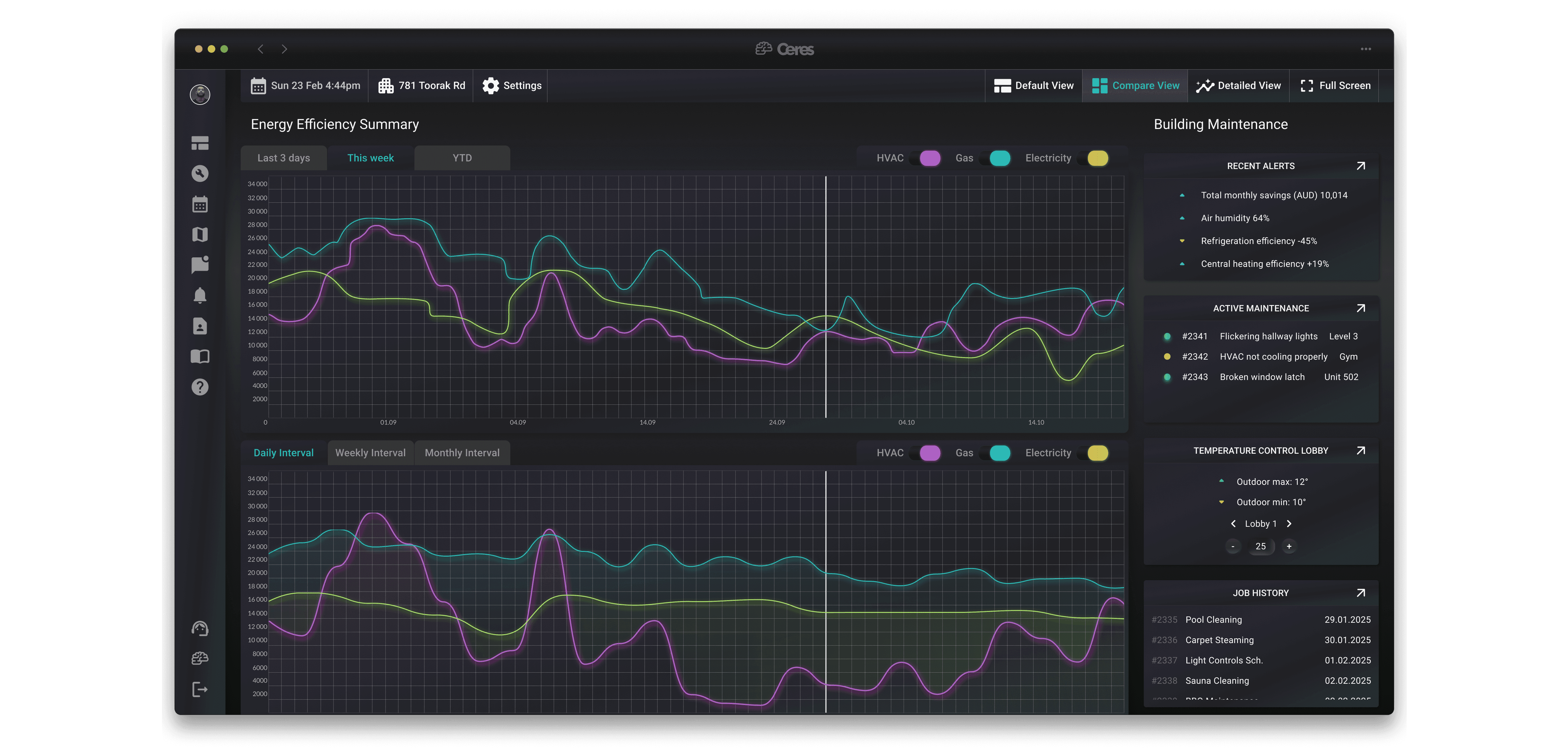
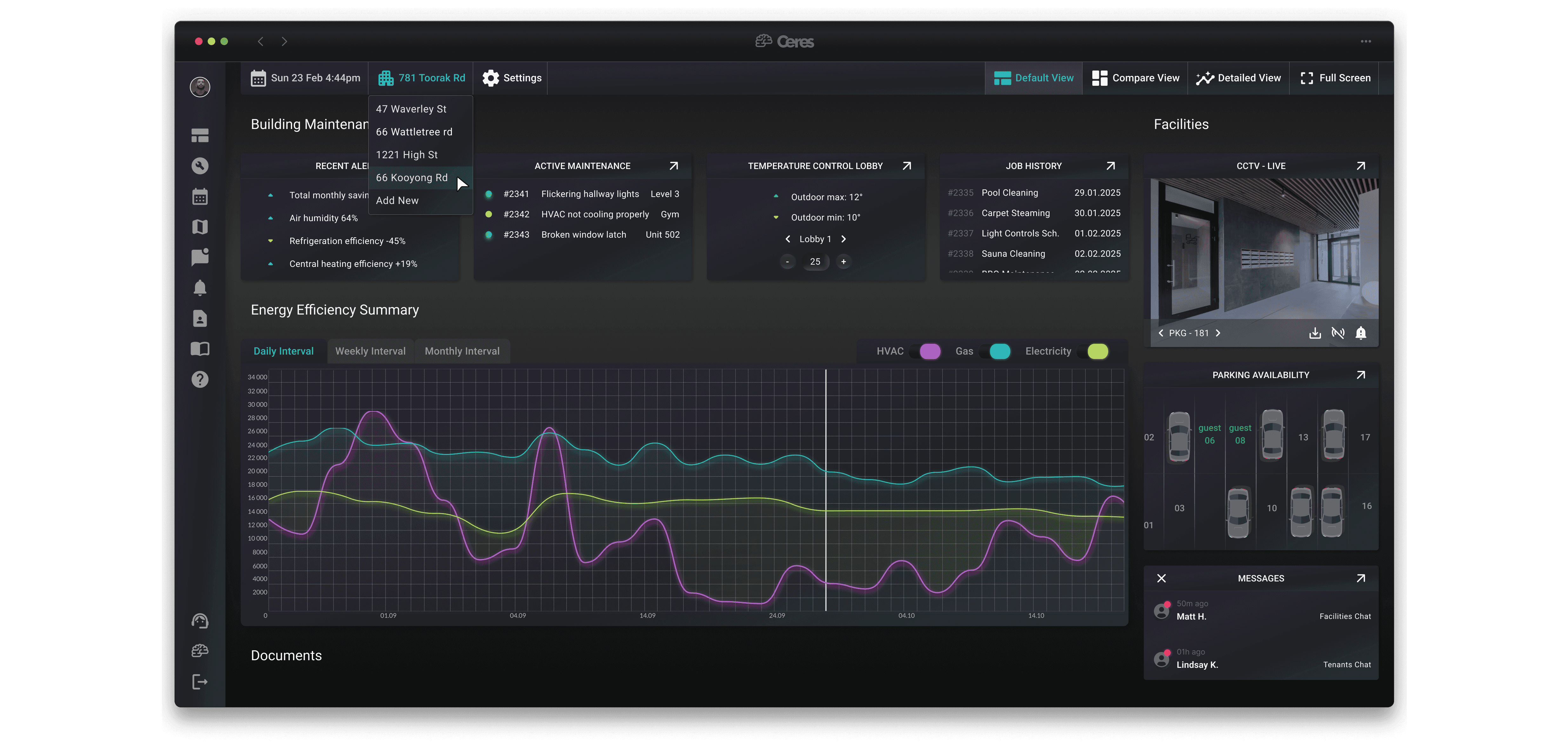
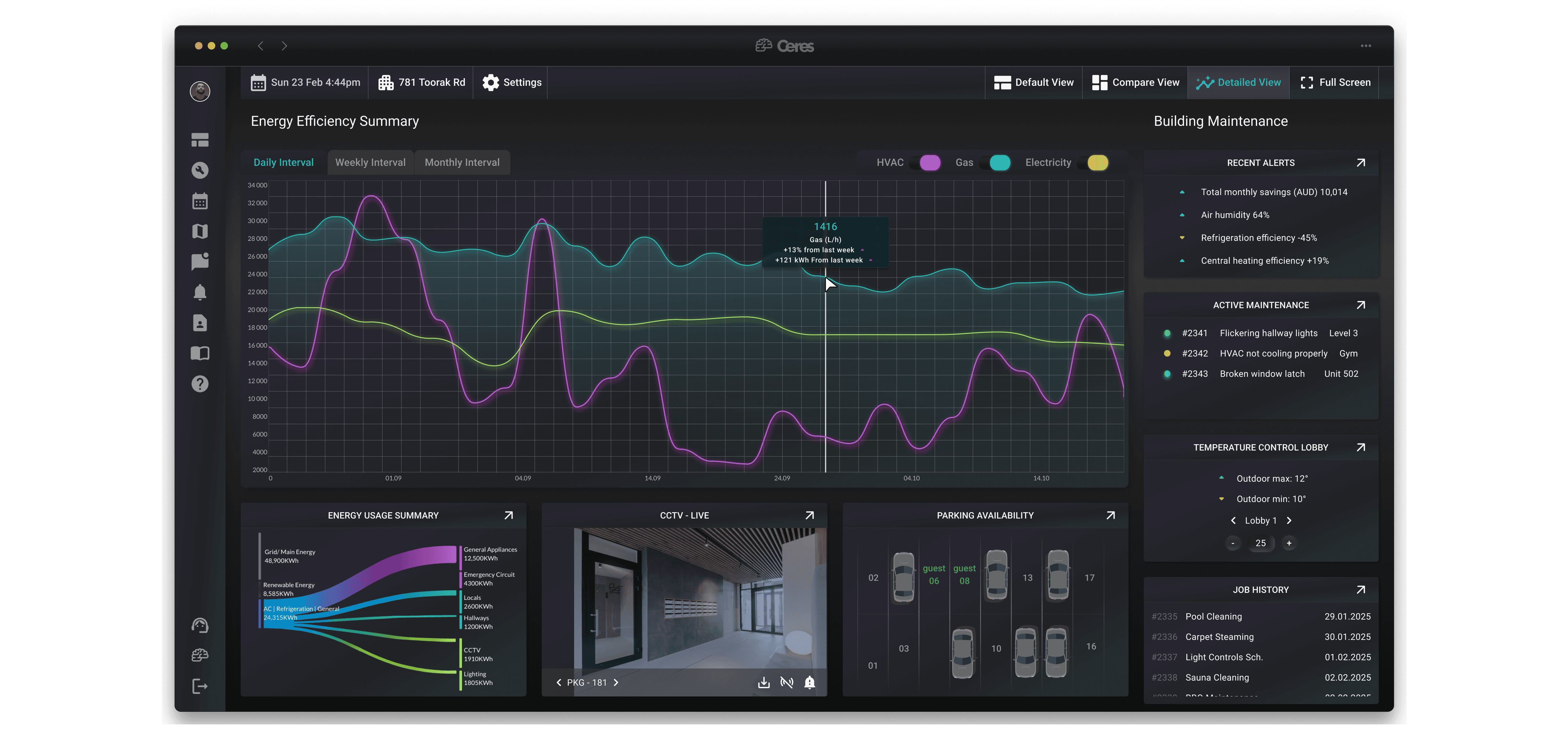
Interactive Dashboard: Provides comprehensive insights into building operations, including energy consumption, faults, and automation needs. Widgets can be moved around to facilitate the user's needs.
Data Visualisation: Beautiful visualisations of building data, rates, and building management staff.
Fault Reporting: Tenants can log faults (e.g., HVAC, lighting) directly into the system, and building management can address them quickly.
Data Visualisation: Beautiful visualisations of building data.
Notifications & Approvals: Real-time notifications for approvals from body corporates.
Facilities Management: Manage parking slots, facility bookings, and access to plans and legal documents.
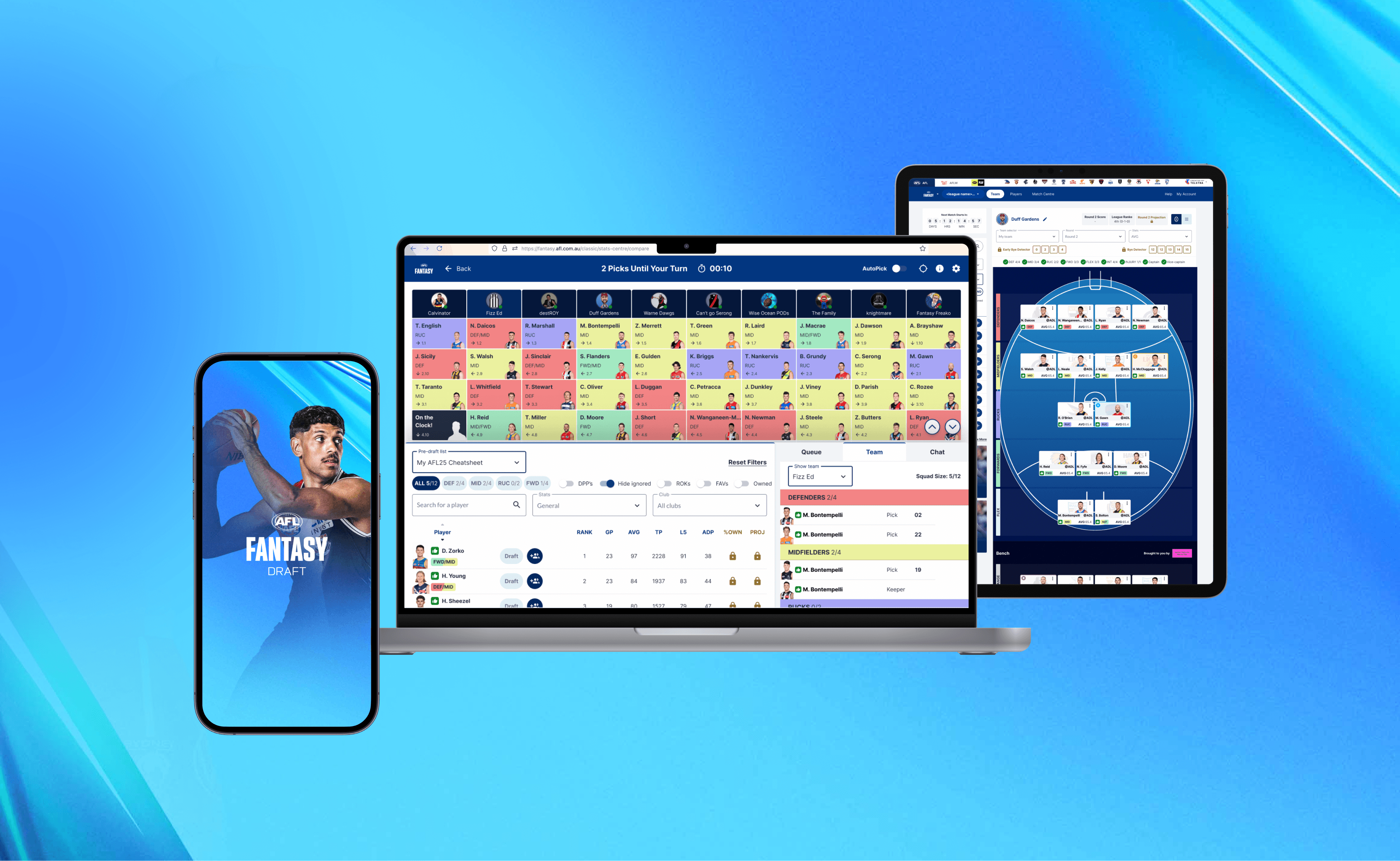
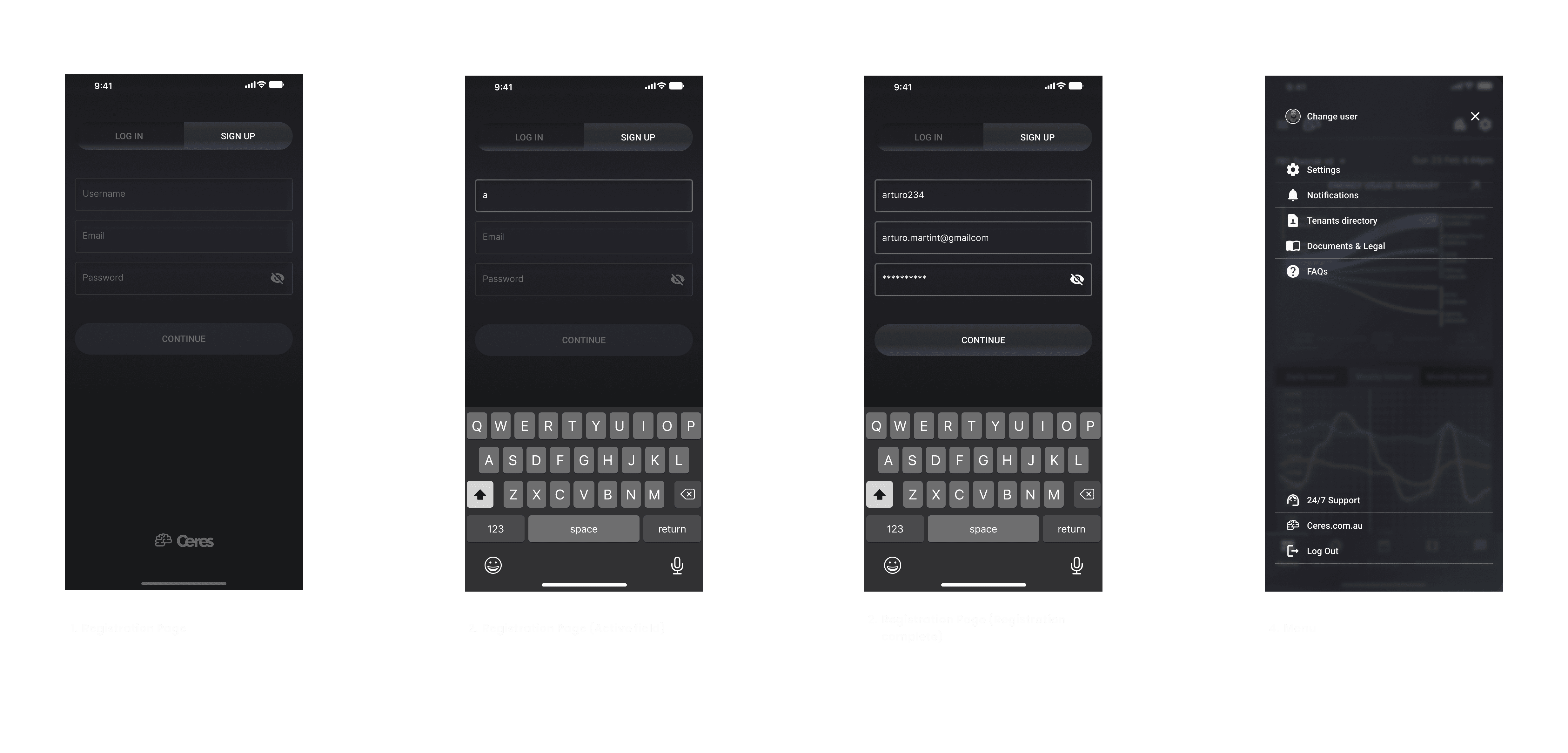
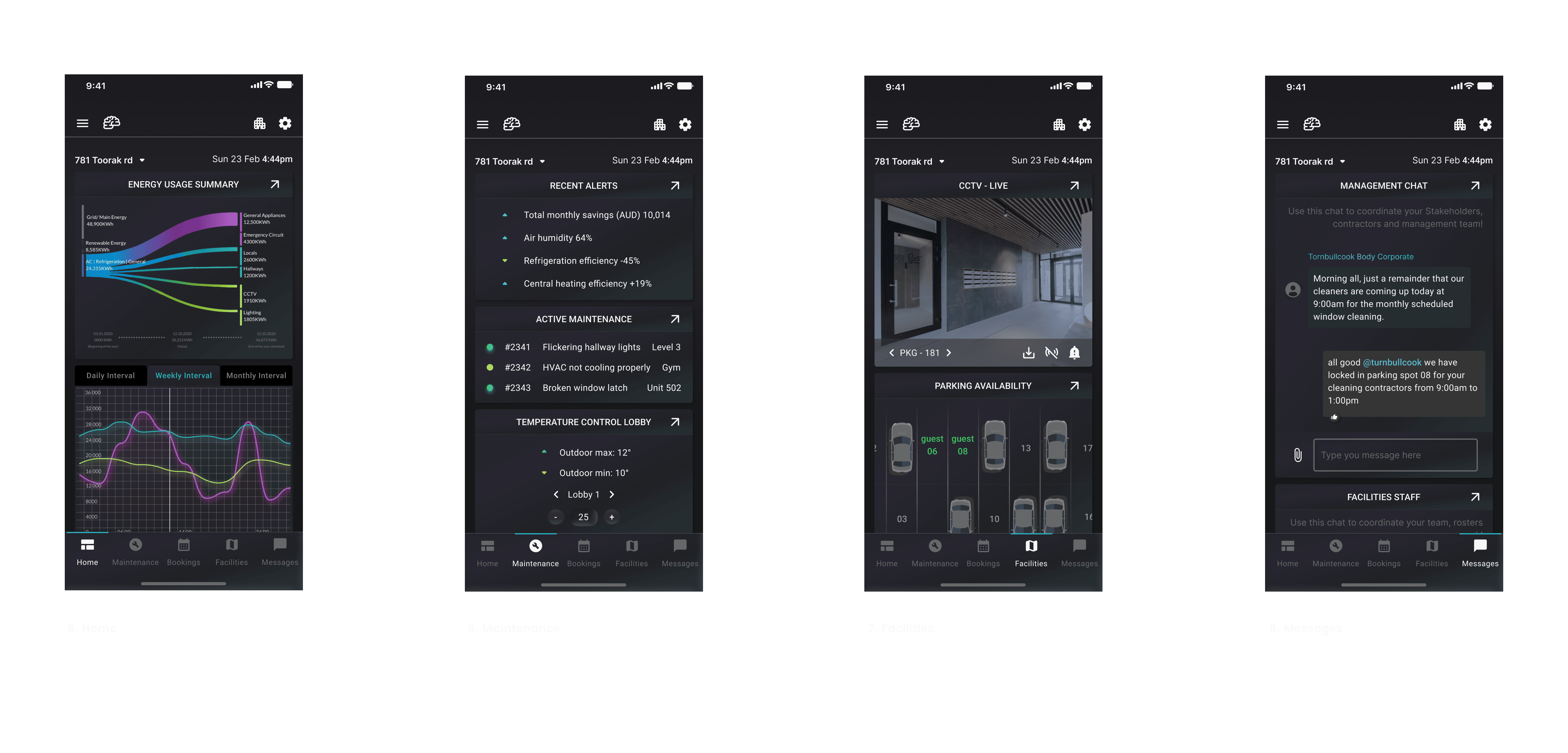
Responsive Design. Available in Desktop and mobile apps
01
02
Solution
CERES is designed as a data-driven SaaS dashboard that transforms complex building management data into clear, actionable insights.
Rather than presenting disconnected metrics, the platform is structured to support decision-making workflows, helping users understand their impact, identify priorities, and take meaningful action.
Dashboard Overview (At-a-glance clarity)
The main dashboard provides a high-level view of key sustainability and energy efficiency metrics, prioritising clarity and hierarchy.
Surfaces the most critical data points first
Uses visual hierarchy to guide attention
Highlights changes, trends, and anomalies
Outcome: Users can quickly understand their current performance without needing to interpret raw data.
Actionable Insights & Recommendations
Each key metric is paired with contextual insights and suggested actions.
Translates data into plain-language explanations
Recommends next steps based on user goals or performance
Connects insights directly to actions
Outcome: The dashboard moves beyond reporting and actively supports decision-making.
Structured Data Exploration (Progressive Disclosure)
Users can drill down into more detailed views when needed.
High-level summaries for quick understanding
Detailed breakdowns for deeper analysis
Flexible navigation between view modes: full, overview, compare and detail
Outcome: Balances simplicity for new users with depth for advanced users.
Goal Tracking & Progress Monitoring
Users can set sustainability goals and track their progress over time.
Visual indicators of performance against targets
Historical trends to measure improvement
Clear feedback loops on user actions
Outcome: Reinforces behaviour through visibility and measurable progress.
Personalised Experience
The dashboard adapts to user needs and priorities.
Content tailored to user goals or activity
Relevant insights surfaced dynamically
Reduced noise from irrelevant data
Outcome: Increases relevance and reduces cognitive load.
System Outcome
The platform shifts from a passive data display to a decision-support system, enabling users to move efficiently from:
Data → Insight → Action → Outcome
Conclusion
This project demonstrates how SaaS dashboards can move beyond static data visualisation to become active tools for decision-making.
By prioritising clarity, structure, and actionable insights, the CERES platform enables users to:
Understand complex sustainability data quickly
Identify what matters most
Take meaningful, informed action
The design balances simplicity and depth through progressive disclosure, ensuring accessibility for new users while supporting advanced analysis when needed.
Most importantly, the platform introduces clear feedback loops, allowing users to track progress over time and stay engaged with their goals.
What this project demonstrates
Designing data-heavy SaaS dashboards
Translating complex data into actionable insights
Structuring information for decision-making and workflows
Balancing usability with depth in complex systems
01
02
03
04
05